-
- Enterprises specializing in the production of forestry machinery such as wood chip machines

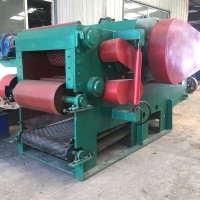
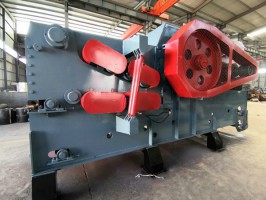
In the fields of forestry processing and wood treatment, the efficiency of wood chippers, as key equipment, is directly related to production efficiency and economic benefits. With the continuous advancement of technology and optimization of processes, improving the efficiency of wood cutting machines has become a focus of attention both inside and outside the industry. Recently, a series of new methods and strategies aimed at improving the efficiency of wood cutting machines have emerged, injecting new vitality into the efficient development of the forestry processing industry. The methods to improve the efficiency of wood chippers can start from the following aspects:
1. Choose the appropriate model of cutting machine: Select the appropriate cutting machine model according to production needs to ensure that the equipment power matches the production capacity. The power of different types of chip cutters varies, and the matching power can ensure efficient operation of the equipment and avoid efficiency reduction caused by insufficient power.
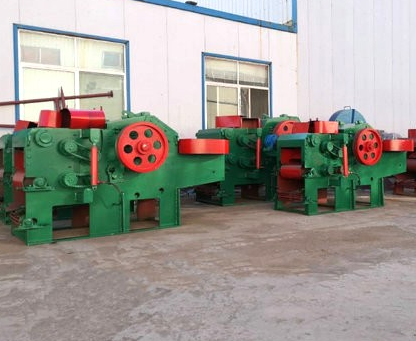
2. Optimize blade design: Use finely ground cutting edges, and for difficult to machine materials, the cutting depth and width should not be too large. At the same time, regularly inspect and replace severely worn blades to maintain their sharpness and improve cutting efficiency.
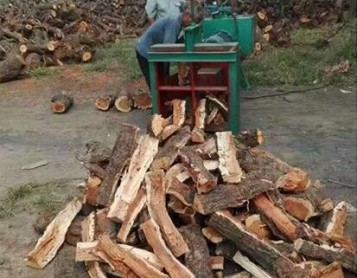
2. Select suitable sizes of raw materials: Wood cutting machines have certain requirements for the size of raw materials. Raw materials that are too coarse, too fine, too short, or too thin may not fully have the function of uniform cutting. Therefore, the raw materials should be screened before use to ensure that their size meets the cutting requirements of the cutting machine.
2. Control cutting temperature: A large amount of cutting heat is generated during the cutting process, and excessively high cutting temperatures can affect cutting efficiency and blade life. Therefore, cutting temperature can be reduced by reasonably controlling cutting force and cutting speed, as well as using chip breaking and other means.
2. Maintain stable operation of the equipment: During use, attention should be paid to observing the operating status of the equipment, promptly detecting and handling abnormal situations. Ensure stable operation of the wood chipper to avoid increased downtime caused by malfunctions.
 Address:Zibo, Shandong
 WhatsApp:+8615805335335
 Wechat: +8615805335335
  E-mail:zs@sdsmachinery.com